
Protect the game. Let the players learn.
These expectations create a safe game environment where players can think, compete, make mistakes, and grow without parent judgment or sideline interference.
Parent and guest conduct rules
These rules apply to parents, guardians, relatives, and guests attending St. Louis Legends games, tournaments, practices, and club events.
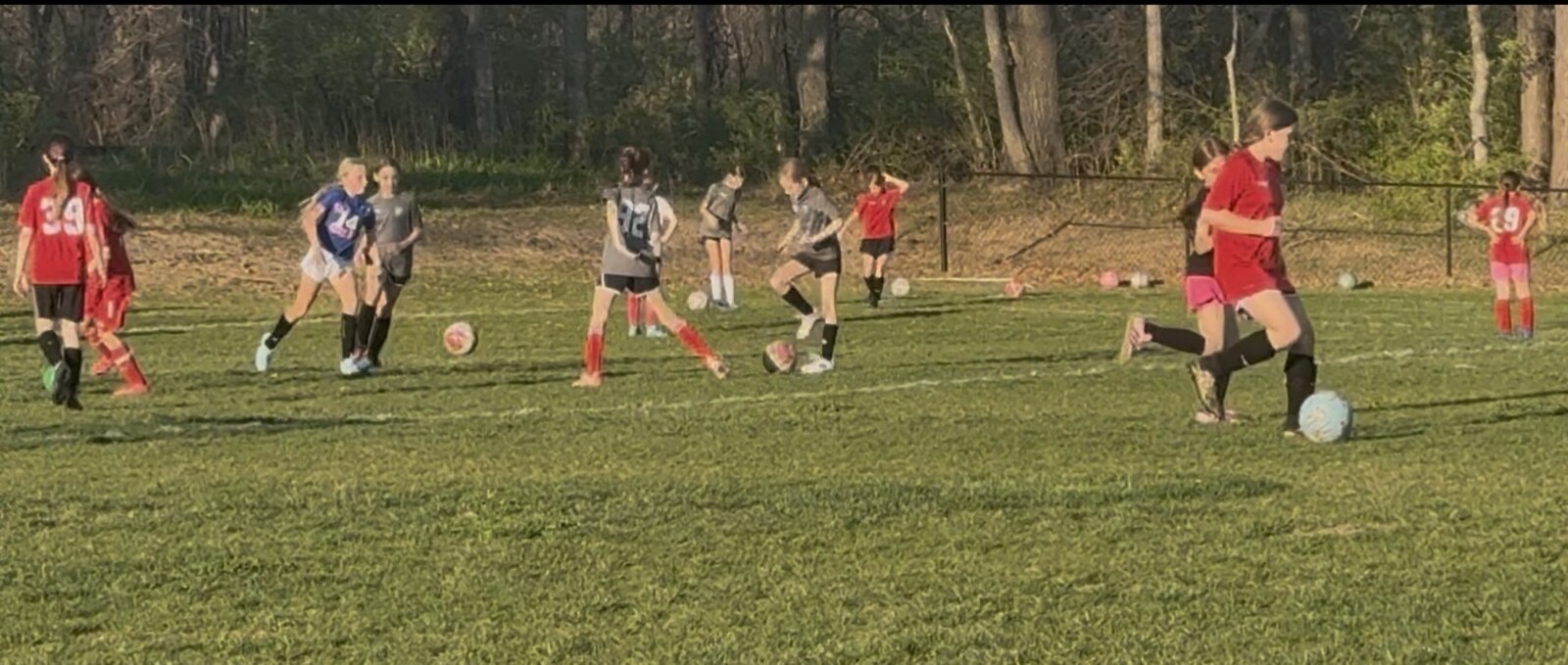
The field is the classroom.
Every touch, turn, mistake, recovery, and brave decision is part of the lesson. The best sideline lets players think, problem-solve, and learn the game for themselves.
Zero-tolerance expectations
No sideline coaching
Parents and guests may not instruct players during games. This includes telling players where to run, when to pass, when to shoot, where to stand, or what decision to make. Even positive instruction can distract players and interfere with the coach’s message.
No intimidating, arguing with, or talking to referees
Parents and guests may not approach referees before, during, or after games. No yelling, questioning calls, sarcastic comments, gestures, or attempts to influence officiating are allowed.
No approaching opposing players
Adults may not approach, confront, intimidate, or speak negatively to players from opposing teams. If there is a concern involving an opponent, it must go through the coach.
Coach communication
24-hour policy
Parents must wait 24 hours before contacting a coach about playing time, positions, roster decisions, game decisions, conflict, or emotional reactions from a match. This gives everyone time to calm down and communicate productively.
Appropriate topics after 24 hours
Helpful conversations include what the player can work on, how the player is progressing, how the parent can support development, and any concern involving safety, well-being, or communication.
Topics that are not appropriate
Parents should not criticize another player, demand playing time, compare one child to another, argue coaching decisions, or replay every moment of a game.
Consequences
Parent behavior can directly impact playing time
Parent and guest behavior directly affects the team environment and can directly impact the child’s playing time. Consequences may include a warning, removal from the sideline, observing from a designated area, reduced playing time, being held out of games, a meeting with club leadership, or removal from the club in repeated or severe situations.
Why consequences are necessary
Consequences are not intended to punish children. They protect the learning environment, the safety of players, and the ability of coaches to coach and players to play.
The car ride home
The message every player should hear
The car ride home should be supportive, not critical. The most important thing a player can hear after a game is: "I’m so proud of you."
What to avoid
Avoid criticism, tactical corrections, negative comments about performance, complaints about referees, comments about teammates, or frustration about playing time during the ride home.
Better questions to ask
Try asking: "Did you have fun?", "What was something you felt proud of?", "What was something brave you tried?", or "What did you learn today?" If the player does not want to talk, let the game breathe.